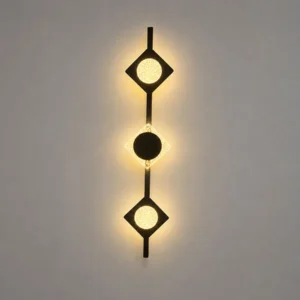
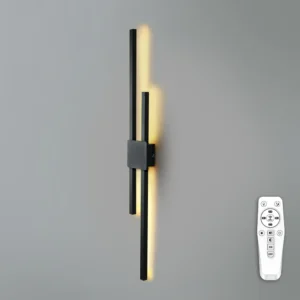
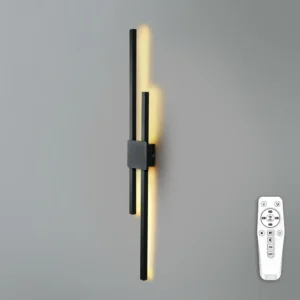
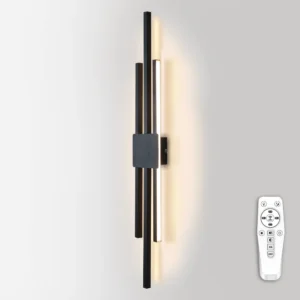
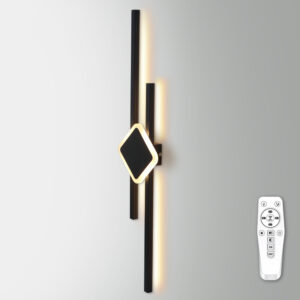
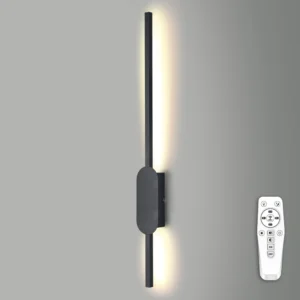
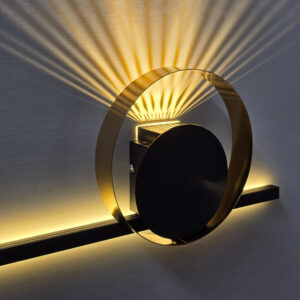
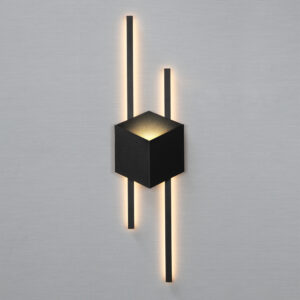
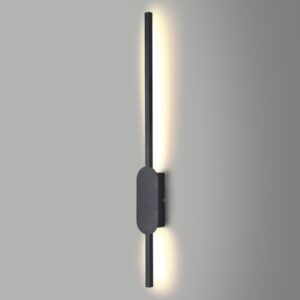
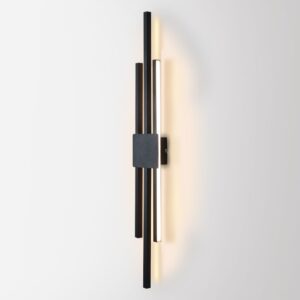
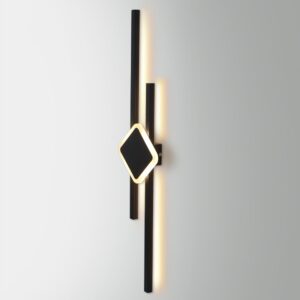
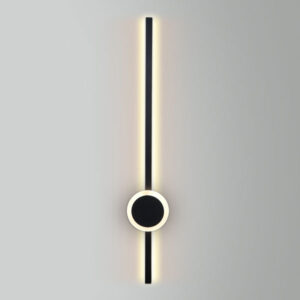
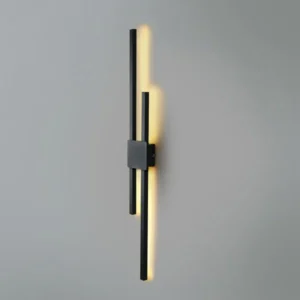
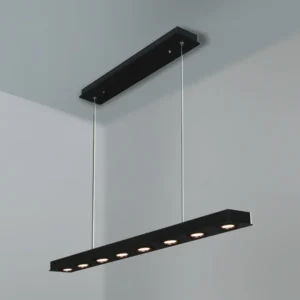
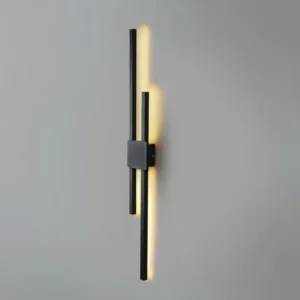
Lighting is not merely about illuminating a space; choosing the right luminaire accentuates architectural forms, contours, and details, adding a distinct visual character to the environment. Linear decorative lights represent a preferred choice for achieving structured, modern illumination. With their elongated profile and streamlined geometry, they provide functional light while serving as an expressive decorative feature.
Linear decorative luminaires cater to those seeking an intentional balance of light output and architectural design. Their geometric form allows designers to highlight structural planes, introduce visual continuity, and execute disciplined lighting schemes. Depending on the specific model and installation setting, these fixtures perform reliably across interior settings as well as select exterior applications.
At Sazeh Light, decorative luminaires are manufactured across diverse design profiles to align with specific architectural themes, spatial scales, and optical requirements. If you require a fixture that delivers dependable illumination while enhancing spatial aesthetics, linear decorative lighting stands as a well-matched solution for contemporary and minimalist projects.
Types of Linear Decorative Lights
Decorative lights with linear profiles are categorized by their mounting methods, structural styling, and intended applications. Each configuration delivers a specific optical effect, requiring careful alignment with the installation area, architectural language, and target illumination level.
Linear Wall-Mounted Decorative Light
Wall-mounted linear lights are engineered for surface installation on vertical planes to generate decorative wall-grazing patterns. These fixtures highlight masonry textures, emphasize architectural lines, or serve as visual accents across entryways and transitional corridors.
The elongated geometry delivers a structured lighting cadence across the wall, establishing a clean architectural presentation alongside finishes such as natural stone, brickwork, concrete, or minimal drywall.
Interior Linear Decorative Light
Within interior spaces, linear decorative fixtures integrate directly into the architectural composition. Deployed in hallways, reception lobbies, expansive living rooms, retail interiors, or contemporary workspaces, they establish visual order and define discrete functional zones.
Applications of Linear Decorative Lights
A key advantage of linear decorative lighting is its broad versatility across diverse architectural contexts and lighting objectives. The linear profile enables continuous light lines, focal wall accents, and visual alignment between surrounding building elements.
Primary applications of linear decorative lights include:
-
Facade and perimeter wall illumination
-
Residential and villa entrance portals
-
Internal corridors and circulation paths
-
Hotel lobbies and corporate reception halls
-
Boutique restaurants and modern cafes
-
Retail stores and commercial showrooms
-
Modern office spaces
-
Terraces and covered verandas
-
Accent illumination for architectural and decorative surfaces
Buying Guide for Linear Decorative Lights
Selecting a linear decorative luminaire extends beyond superficial aesthetics. To ensure the fixture integrates properly with the intended space and delivers intended results, evaluate several core technical and physical parameters prior to procurement.
Identify the Mounting Location
The initial consideration is defining the operating environment. An interior luminaire features different mechanical protection and ingress specifications than an exterior unit. Establish whether the unit will mount onto an interior wall, an exterior facade, a pathway corridor, a terrace, or a sheltered transition space.
Evaluate Dimensions and Proportions
Because of their elongated silhouette, linear fixtures strongly influence spatial scale. Overall length, width, and profile depth must correspond with wall dimensions and surrounding finishes to ensure proportional balance without visual clutter.
Verify Optical Distribution and Beam Direction
The optical delivery profile determines the final architectural presentation. Clarify whether your design requires direct functional downlighting, wall grazing, or indirect ambient wash, selecting a model with an optical distribution that satisfies project specifications.
Select Appropriate Color Temperature
Correlated color temperature (CCT) sets the spatial tone. Warm white (2800K–3200K) output creates an inviting, relaxed atmosphere, whereas natural white (4000K) or daylight cool white (6000K) suits technical, modern, and task-oriented environments.
Assess Structural and Build Quality
Housing material, surface coating durability, internal solid-state components, and thermal dissipation directly determine operating life. For outdoor installations, verify weather sealing and resistance against moisture ingress.
Checklist Before Purchasing Linear Decorative Lights
Review these essential criteria prior to placing an order:
- Precise installation location and mounting surface
- Required linear length and dimensional clearances
- Target luminous output and operational brightness
- Beam direction and optical spread profile
- Appropriate color temperature for the architectural scheme
- Visual alignment with interior or exterior styling
- Environmental ingress protection for the operating site
- Build quality of chassis, drivers, and LED boards
Linear Decorative Light Selection Matrix
| Feature |
Description |
Procurement Recommendation |
| Mounting Location |
Interior, wall plane, facade, or semi-sheltered area |
Select ingress protection matching the environmental conditions |
| Dimensions |
Configurable fixture length and profile options |
Match luminaire scale to wall surface dimensions |
| Optical Type |
Direct illumination or accent beam |
Choose based on specific functional lighting targets |
| Color Temperature |
Warm White, Natural White, or Cool White |
Align color output with interior palette and intended ambiance |
| Styling |
Modern, minimalist, and architectural |
Ensure geometric form complements surrounding architecture |
| Housing Material |
Engineered metals suited to application demands |
Prioritize corrosion-resistant builds for exterior areas |
| Light Source |
Solid-state LED technology |
Verify luminous efficacy and component lifespan ratings |
Pricing Factors for Linear Decorative Lights
The pricing of linear decorative luminaires depends on physical dimensions, architectural styling, housing metallurgy, LED engine specifications, driver configuration, and electrical build quality. Consequently, models within this category vary in cost based on their engineering parameters.
Size and geometric complexity represent primary cost drivers. Longer fixtures or designs requiring custom tooling and tighter fabrication tolerances consume more raw materials and involve specialized manufacturing steps.
Internal electronics also affect pricing. The quality of the LED chips, decoupled drivers, surge suppression components, and secondary optics influences both manufacturing cost and long-term operating stability.
Chassis construction and surface treatments remain equally important. Luminaires engineered for long-term outdoor exposure require specialized substrates, such as ST12 steel, paired with electrostatic baked powder coatings to withstand corrosion and UV exposure.
When comparing linear decorative lighting options, evaluate complete build specifications, lifecycle durability, and thermal management alongside the initial acquisition price.
Key Characteristics of High-Grade Linear Decorative Lights
| Characteristic |
Architectural & Functional Significance |
| Balanced Geometry |
Harmonizes luminaire presence with adjacent architecture |
| Rigid Metal Housing |
Ensures mechanical impact resistance and structural durability |
| Electrostatic Powder Finish |
Protects substrate against environmental corrosion and UV fading |
| High-Efficacy LED Engine |
Provides uniform, energy-efficient, and stable lumen output |
| Calibrated Optical Spread |
Delivers clean beam cutoffs and eliminates unwanted glare |
| Proportional Sizing |
Maintains correct visual scale across varied mounting surfaces |
| Decoupled Electronics |
Improves thermal dissipation and simplifies lifecycle servicing |
| Minimalist Form |
Integrates cleanly into diverse architectural languages |
Direct Procurement from Sazeh Light
Procuring directly from the manufacturer provides access to factory-standardized products, strict production quality control, and streamlined purchasing without intermediary markups.
Sazeh Light engineers and manufactures a broad catalog of decorative and architectural fixtures tailored to varied building styles and project specifications. When specifying linear decorative lights, you can choose models calibrated to your installation area, spatial dimensions, and optical requirements.
For specialized architectural projects requiring tailored configurations, technical consultation helps ensure proper fixture selection for target lighting performance.
Why Specify Linear Decorative Lighting?
Linear decorative luminaires combine functional illumination with architectural visual definition. Their streamlined form factors produce structured lines of light that accentuate structural contours, integrating naturally into contemporary and minimalist projects.
Selecting the proper mounting style, color temperature, fixture scale, and beam pattern ensures the luminaire serves both as a reliable light source and an integrated architectural detail. Reviewing available linear models provides an effective starting point for projects balancing visual refinement with dependable solid-state illumination.
Frequently Asked Questions About Linear Decorative Lights
1 - Which architectural decor styles accommodate linear decorative lights?
Thanks to their minimalist geometry and elongated contours, linear lights pair naturally with modern, contemporary, and industrial architectural styles, adapting easily to specific interior designs.
2 - Can linear decorative lights be installed outdoors?
Exterior suitability depends on the specific ingress protection and housing build. For outdoor installations, confirm IP weather ratings and moisture sealing before procurement.
3 - What is the ideal color temperature for linear decorative lighting?
Selection depends on spatial purpose. Warm white (2800K–3200K) suits intimate hospitality and residential settings, while natural or daylight options (4000K–6000K) perform well in modern task zones.
4 - Are linear decorative fixtures used solely for illumination?
No. Beyond primary illumination, they function as architectural tools to accentuate facade textures, delineate pathways, and introduce geometric visual continuity.
5 - What are the most critical factors when specifying linear decorative lights?
Key parameters include mounting location, physical dimensions, luminous flux, beam pattern, color temperature, and chassis build quality.